
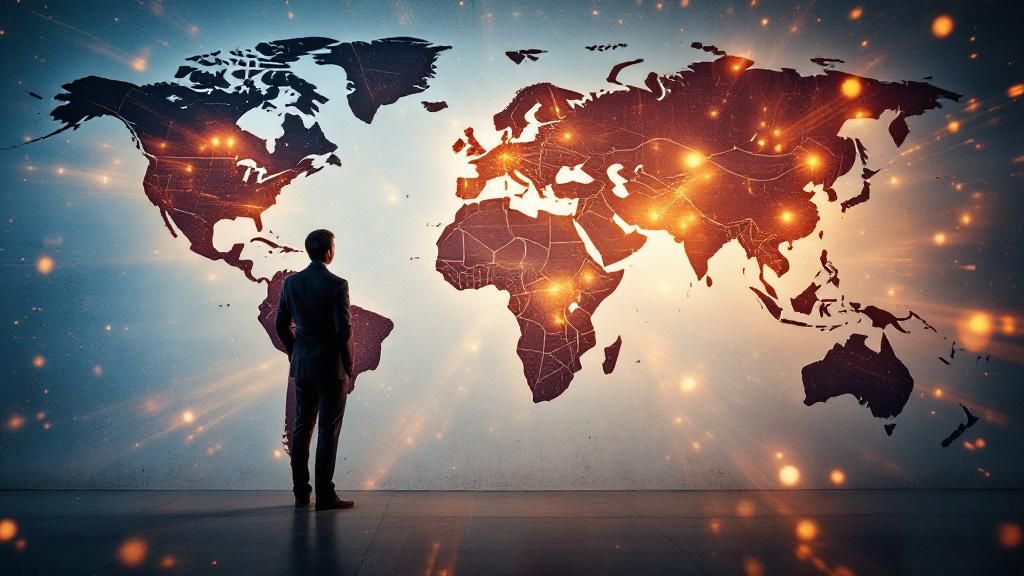
The worldwide art world is undergoing a significant transformation as contemporary galleries increasingly recognise the necessity of championing overlooked voices. From rising artists in Africa and South America to established artists from marginalised groups, institutions across the globe are deliberately expanding their exhibition programmes and acquisitions. This article investigates how leading galleries are reimagining their curatorial practices, the challenges they face in acquiring authentic work, and the profound impact these endeavours are exerting on creators and viewers alike, ultimately redefining what contemporary art represents today.
Worldwide Change in Art Gallery Representation
The current art sector is undergoing a fundamental shift as major galleries worldwide accept their historical shortcomings in diversity. Organisations previously controlling Western-centric narratives are now actively reassessing their acquisitions and display approaches. This movement reflects wider cultural pressures for inclusivity and recognition of creative work that continues to exist outside conventional institutional spaces. Museums and commercial galleries alike are investing resources into uncovering and supporting artists from previously marginalised communities across the African continent, Asia, Latin America, and elsewhere.
This crucial change goes beyond simple tokenism or shallow gestures toward real structural reform. Galleries are creating specific acquisition budgets expressly set aside for marginalised artists, whilst at the same time updating their advisory boards to include curators and experts from varied backgrounds. The movement represents a acknowledgement that artistic merit thrives worldwide, not just within traditional Western institutions. By broadening their vision and actively seeking out undervalued talent, present-day galleries are substantially reshaping the discourse of what constitutes major current artistic practice in the 21st century.
New Markets and Emerging Voices
Emerging markets across Africa, South Asia, and Latin America are developing outstanding modern creators whose work warrants worldwide acclaim. Galleries are progressively forming working relationships with regional organisations and freelance curators in these regions to uncover promising talent. This joint methodology maintains authenticity and cultural sensitivity whilst providing artists with unprecedented opportunities to exhibit their work on worldwide venues. The result has been a notable wave of fresh perspectives questioning conventional artistic paradigms and extending the scope of current creative work.
Emerging artists from previously overlooked regions are gaining representation through carefully planned exhibition strategies and focused curatorial projects. These emerging voices bring unique cultural narratives, innovative techniques, and thought-provoking viewpoints shaped by their distinctive geographical and social contexts. Progressive galleries recognise that championing new creative talent enhances the broader landscape of contemporary art. By providing platforms, guidance and support, and commercial opportunities, institutions are developing future leaders of significant creative voices whilst simultaneously enriching their own collections with authentic, culturally significant work.
Institutional Commitment to Diversity
Leading contemporary galleries have formalised their dedication to diversity through broad organisational policies and clear targets. Many establishments now issue annual diversity reports detailing their collecting practices, show calendars, and staff composition. This accountability mechanisms demonstrate sincere devotion to institutional transformation rather than performative gestures. Galleries are funding staff training, cultural awareness initiatives, and public engagement activities to ensure their entire organisations reflect and understand the diverse artists they represent. Such formal commitments signal a fundamental shift in how galleries conduct their curatorial duties and public missions.
The monetary investment accompanying these representation efforts is substantial and substantive. Galleries are allocating increased budgets towards obtaining artworks from under-resourced creators, funding research and documentation projects, and supporting emerging practitioners through fellowships and placements. Educational programmes within galleries now actively highlight creators of different origins and their influence on current artistic dialogue. This layered systemic framework illustrates that advancing under-resourced practitioners is not merely an ethical imperative but a strategic investment in the ongoing significance and dynamism of modern galleries globally.
Impact on the Art Market and Cultural Landscape
The growth of gallery collections to include underrepresented artists has substantially altered modern art market dynamics. Collectors and institutions now consciously search for different viewpoints, generating heightened demand for works by artists previously marginalised by traditional galleries. This shift has boosted prices for many underrepresented creators, whilst at the same time questioning conventional structures that favoured Western male-dominated artists. As major auction firms and individual collectors identify the cultural and financial significance of these collections, support for underrepresented artists has become both ethically sound and commercially viable, creating unprecedented opportunities for new creators worldwide.
Culturally, this shift has broadened public awareness of contemporary art’s global scope and importance. Museums and galleries now present narratives that represent diverse geographical origins, cultural perspectives, and individual stories, enriching audiences’ interaction with artistic works. This broad representation promotes conversation between different communities and fosters appreciation for artistic traditions long overlooked in Western institutions. Learning initiatives linked to shows introduce younger generations to marginalised artistic voices, laying groundwork for sustained cultural engagement and market support. The broadening of cultural access has substantially transformed how people understand creative value and societal cultural impact.
Looking forward, these developments promise sustained transformation within the art world. As galleries continue prioritising marginalised artists, institutional practices will probably develop more, encouraging structural change throughout the industry. However, maintaining authenticity whilst avoiding tokenism remains crucial. Galleries must demonstrate real dedication rather than performative gestures, fostering sustained partnerships with artists and communities. This shift represents not merely a trend but a necessary recalibration of the contemporary art landscape, recognising global talent and ensuring future generations inherit a increasingly fair, representative artistic heritage.
